LMS
LMS- Join the Cloud Computing Training Institute to Master Cloud Infrastructure.
- Complete Cloud Computing Training Covers AWS, Azure, Google Cloud and DevOps.
- Work on Real-time Projects and Build in-demand Skills Through Practical Experience.
- Choose From Flexible Learning Modes Weekday, Weekend or Fast-track Batches.
- Earn Industry-recognized Cloud Computing Certification Course With Job Placements.
- Get Guidance for Resume Building, Interview Preparation and Career Strategies.
Join Our 100% Job Guaranteed
Best Cloud Computing Course
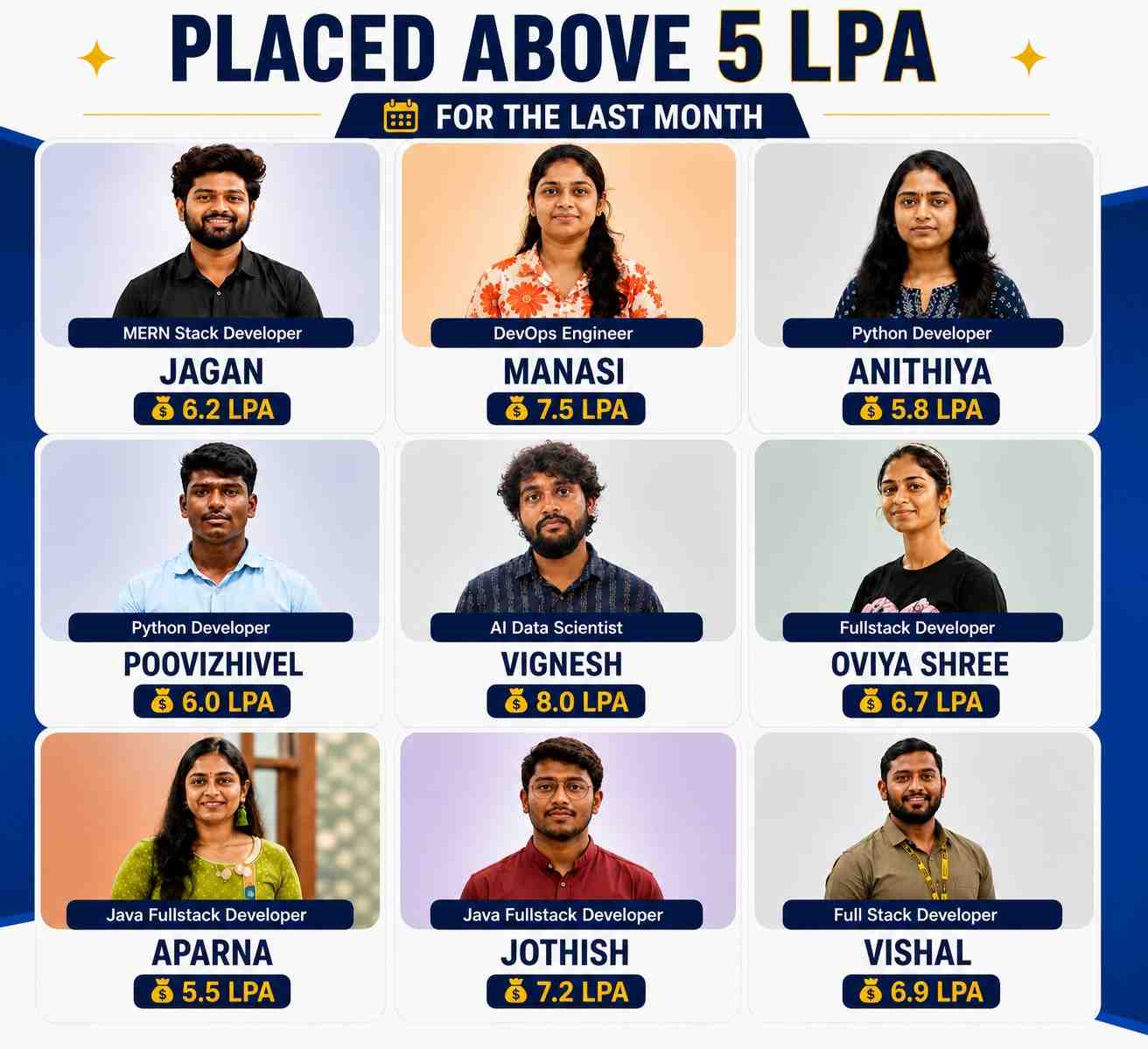
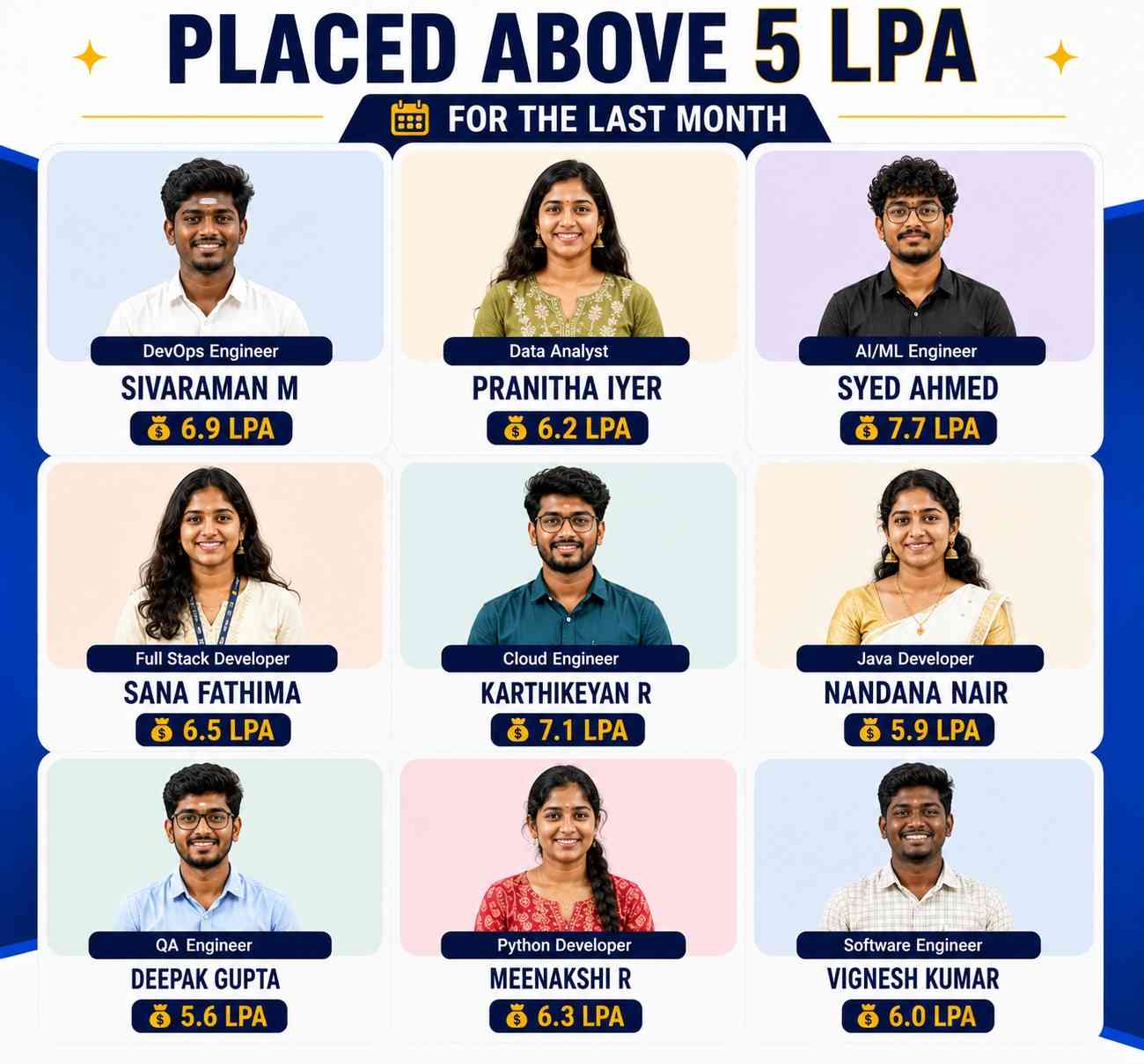
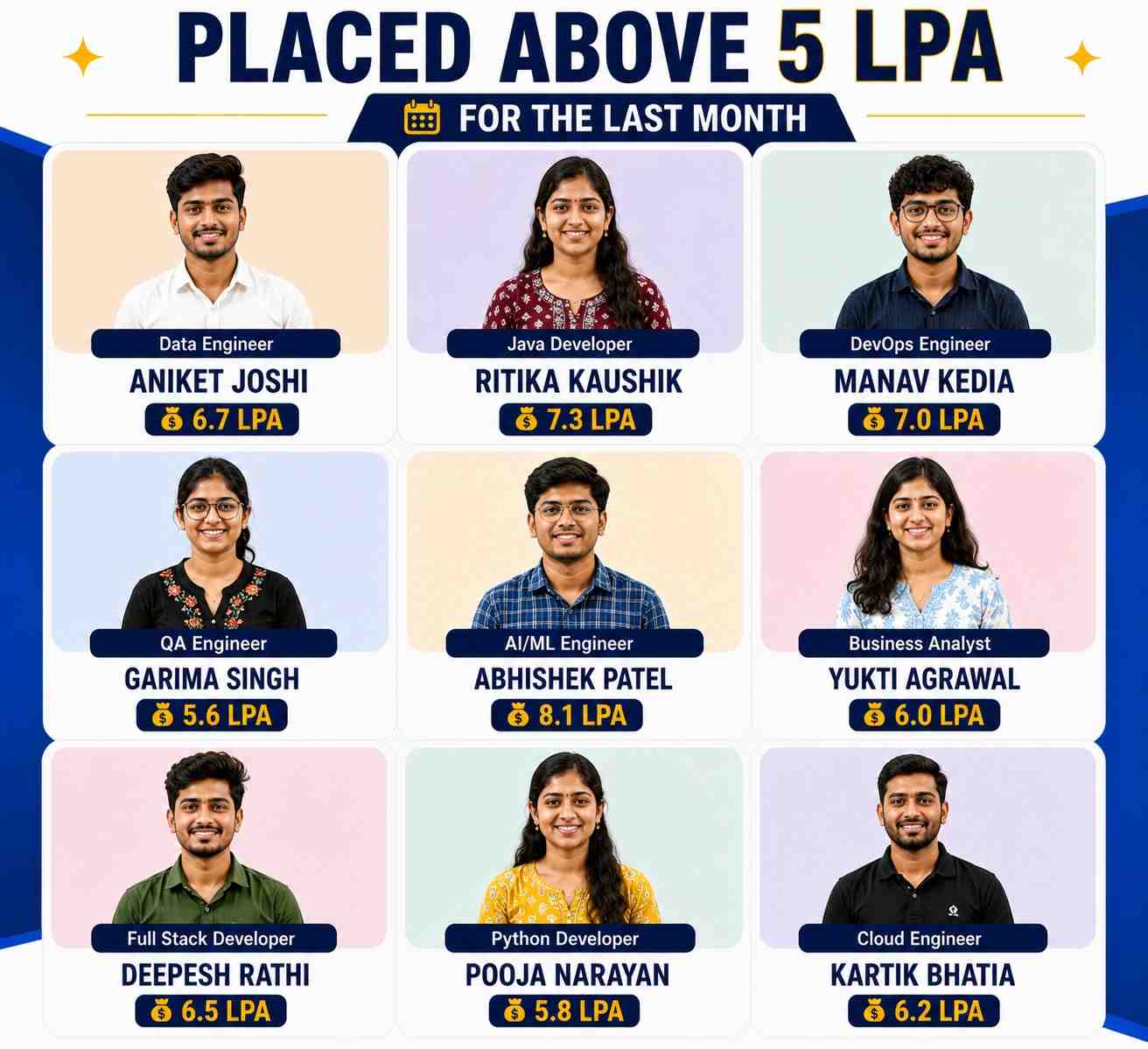
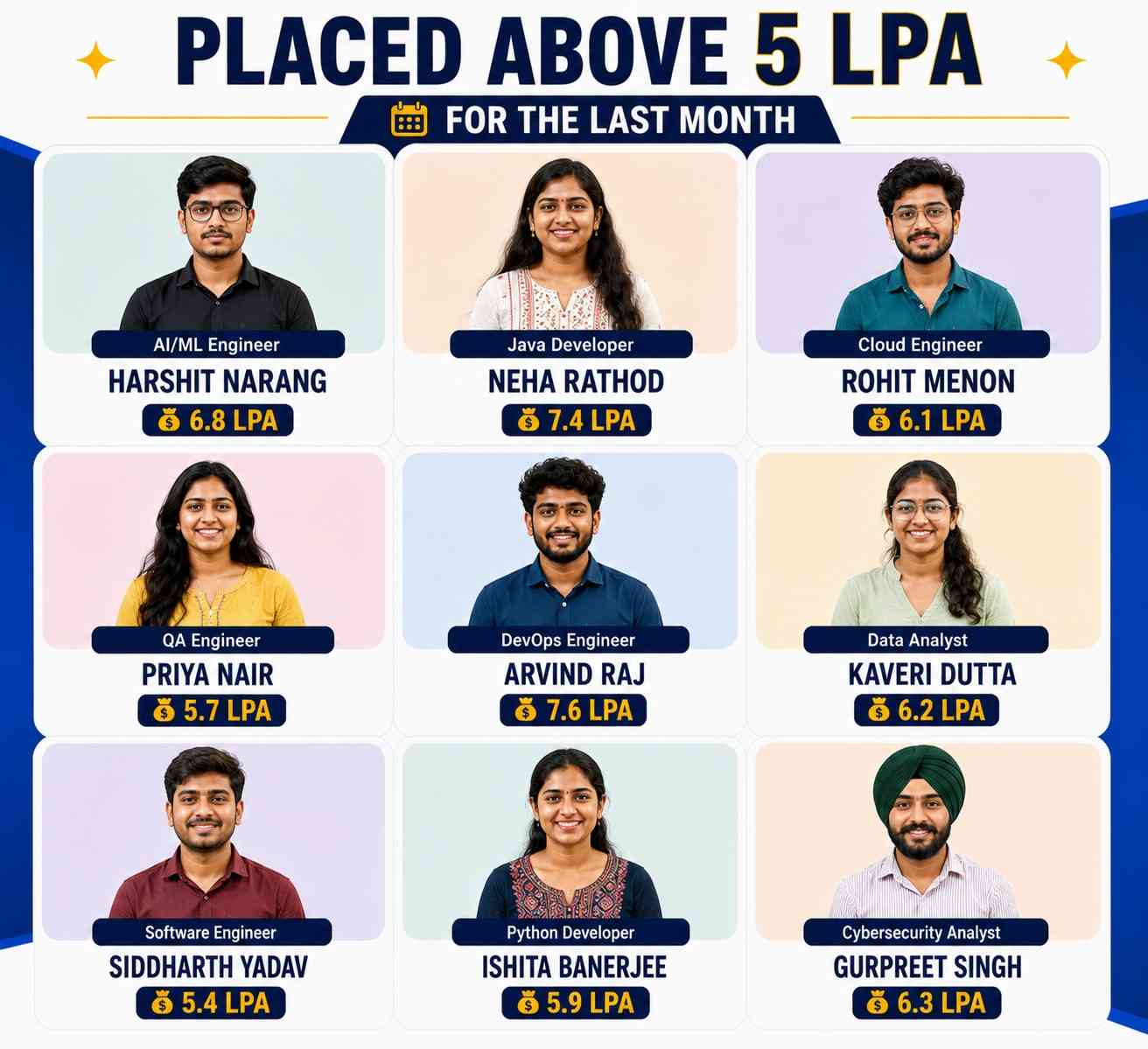
Explore Active Opportunities on
 by ACTE
Live
1000+
Jobs and Internships
Quality Training With Affordable Fees!
 Fees Starts From
INR
36,000
INR 16,500

11845+
(Placed)
5525+
(Placed)
8816+
(Placed)
4481+
(Placed)We Offer Both Online and Classroom Training in Chennai & Bangalore.
Our Hiring Partners

Overview of Cloud Computing Training
Our Cloud Computing Certification Course is designed to help you with the skills to manage, deploy and scale cloud infrastructure across platforms like AWS, Azure and Google Cloud. This Cloud Computing Training combines hands-on labs, real-time projects and in-depth modules ideal for learners seeking Cloud Computing Certification or a Cloud Computing Internship opportunity. Gain practical experience and industry-relevant knowledge to excel in today’s cloud first job market. We also offer a 30-Day Placement Preparation Program that includes resume building, job portal optimization, daily job applications, HR support, mock interviews and soft skills training to ensure you're fully job ready.
What You’ll Learn From Cloud Computing Certification Course
- Master the core concepts in our Cloud Computing Training, including virtualization, networking and cloud service models like IaaS, PaaS and SaaS.
- Explore key cloud platforms such as AWS, Microsoft Azure and Google Cloud to understand infrastructure deployment, storage management and serverless computing.
- Learn essential tools and techniques for cloud automation, monitoring, security and scalability through hands-on training and guided practice.
- Get in-depth knowledge of real-world scenarios involving cloud migration, load balancing, disaster recovery and cost optimization strategies.
- Strengthen your skills with industry relevant Cloud Computing Internship projects and case studies.
- Earn an industry recognized Cloud Computing Certification and elevate your IT career with expert led instruction and placement focused training.
Additional Info
Course Highlights
- Master AWS, Azure, Google Cloud, DevOps, Virtualization and Cloud Security in Our Cloud Computing Course.
- Get 100% Placement Assistance With Strong Connections to Top IT and Cloud-based Companies.
- Join 11,000+ Successful Learners Placed Through Our Network of 350+ Hiring Partners.
- Learn From Certified Cloud Architects and Engineers With 10+ Years of Hands-on Industry Experience.
- Enjoy Flexible Batch Timings, Affordable Fees and Lifetime Access to Updated Cloud Learning Materials.
- Gain Personalized Guidance From 650+ Expert Mentors Across Various Cloud Domains on a Single Platform.
- Build a Career in Cloud Computing by Attending Classrooms and Online Training at More Than 9+ Locations in Chennai and Bangalore.
Exploring the Advantages of a Cloud Computing Training
- High-Demand Skills – The Cloud Computing Course in Chennai and Bangalore focuses on building job-ready skills in AWS, Microsoft Azure and DevOps. You’ll learn the latest cloud technologies that are highly valued by top companies. With the increasing shift to cloud platforms, these skills open doors to high paying roles across multiple industries.
- Real-Time Projects – The course offers hands-on experience through real-world cloud projects. You’ll get to work with concepts like virtualization, automation and deployment in practical scenarios. It enhances your resume with project-based skills that employers value.
- Learning and Career Advancement – Whether you're just starting out or already in the tech field, cloud computing courses provide flexible options to suit your level. You can choose your learning pace and focus on specific platforms that match your goals. The field of cloud computing also encourages continuous learning, helping you grow and advance your career over time.
- Certification and Job Placement Support – Most courses include training for globally recognized certifications that validate your expertise. You also get complete job support, which includes help with job placement, interview coaching and resume preparation. This all around support helps you enter in the job market with confidence and competitive edge.
Essential the Tools of Cloud Computing Training
- Amazon Web Services (AWS) – One of the popular cloud computing Platform worldwide is Amazon Web Services (AWS). It lets users to use remote servers rather than actual computers to host websites, operate apps and store data. With AWS you can easily create virtual servers, set up databases and manage networks from anywhere. It offers a flexible pay-as-you-go model, making it ideal for both startups and large companies.
- Microsoft Azure – Microsoft Azure is a cloud platform created by Microsoft that helps businesses and developers build, deploy and manage applications using their global network of data centers. It supports wide range of services like virtual machines, storage, databases and AI tools. Azure integrates well with other Microsoft products, making it a preferred choice for many companies.
- Google Cloud Platform (GCP) – Google Cloud Platform (GCP) is Google's cloud computing service that offers powerful tools for computing, storage and data analytics. It is known for its speed, reliability and strong support for AI and big data projects. GCP helps businesses run their websites, mobile apps and backend systems efficiently. With tools like Google Compute Engine and BigQuery, users can handle large volumes of data and gain meaningful insights.
- Docker – Docker is a tool used to create, run and manage applications using a method called containerization. Everything required for an application to operate such as code, libraries and system settings making it easy to move and deploy across different environments. This means developers can test and launch applications faster and more reliably. Docker is the key tool in modern DevOps and cloud computing because it simplifies software delivery.
- Kubernetes – Kubernetes is an open source platform it helps manage large groups of containers, like those created with Docker. It automatically takes care of deploying, scaling and maintaining applications without manual effort. Kubernetes ensures that your applications are always available and running smoothly, even if something goes wrong. Its used by many large companies to manage complex cloud systems.
Top Frameworks Every Cloud Computing Should Know
- Terraform – Terraform is a widely used open-source framework that helps you set up and manage cloud infrastructure using code. Instead of doing everything manually on AWS, Azure, or Google Cloud, you write simple scripts to create servers, storage and networks. This method is called as Infrastructure as Code (IaC) and it makes cloud setup faster and more reliable.
- Ansible – Ansible is powerful tool that automates software installation, server configuration and updates across cloud platforms. It uses simple, readable files written in YAML, making it beginner-friendly even for those without much coding experience. Ansible helps cloud professionals manage multiple servers at once without the need to log into each one separately. It works smoothly with AWS, Azure and other platforms to keep systems secure and updated.
- Kubernetes – Kubernetes is a framework used to manage containerized applications in the cloud. It helps run, scale and maintain apps automatically, ensuring they are always available and functioning properly. Kubernetes works especially well with Docker containers and is essential for modern cloud projects. Large companies rely on Kubernetes to keep their services running smoothly even during high traffic.
- Apache Mesos – Apache Mesos is a framework designed to managing the resources in large cloud or data center environments. It can run different applications on the same infrastructure and efficiently distribute tasks. Mesos is useful for systems that require high availability and need to handle many operations at once. It is flexible for developers and cloud engineers because it supports a variety of platforms and programming languages.
- OpenStack – OpenStack is a open source cloud platform that allows organizations to building and managing their own private or public cloud environments. It gives full control over computing, storage and networking resources through a user-friendly web interface. Many enterprises use OpenStack to avoid relying fully on third-party cloud providers. Its highly customizable and ideal for businesses that want more control over their cloud systems.
Essential Skills You'll Learn in a Cloud Computing Course
- Cloud Infrastructure Management – You will learn how to set up and manage virtual servers, storage and networks using platforms like AWS, Azure and Google Cloud. This skill helps you understand how cloud systems work behind the scenes. You’ll be able to create, monitor and scale cloud environments with ease. Managing infrastructure in the cloud is faster and more flexible than traditional systems.
- Virtualization and Containerization – The course teaches you how virtualization and container tools like Docker and Kubernetes work. Virtualization lets you run multiple systems on a single server, saving cost and space. Containers help you package apps with all their settings so they run anywhere. These technologies are used in almost every cloud based project today. Knowing them helps you build scalable and efficient applications.
- Cloud Security – One of the most important aspects of the training is learning how to safeguard data and apps in the cloud. You’ll learn about identity management, data encryption, firewalls and secure access controls. These skills help you ensure that cloud systems are safe from threats and cyberattacks. With more companies storing sensitive data in the cloud and cloud security is more important than ever. This skill makes you a valuable asset to any organization.
- DevOps and Automation – You will gain hands-on experience with DevOps tools that automate software development and cloud operations. Tools like Jenkins, Ansible and Terraform help you deploy applications faster and more reliably. Automation reduces manual errors and speeds up project delivery. You'll learn how to integrate, test and release updates automatically in the cloud.
Key the Roles and Responsibilities of Cloud Computing Training
- Cloud Engineer – Designing, creating and managing cloud systems is the responsibility of a cloud engineer. They build virtual servers, manage storage and set up networking in cloud platforms like AWS or Azure. Their job includes automating deployments and ensuring the system runs smoothly. They also troubleshoot any issues that occur in the cloud environment. This role requires both technical knowledge and hands-on experience with cloud tools.
- Cloud Architect – A Cloud Architect creates the overall design and structure of cloud systems for an organization. They choose the right cloud services and make sure everything works together securely and efficiently. Their job is to plan how apps, data and security will function in the cloud. They also guide cloud engineers and developers during implementation. This role focuses on strategy, planning and building reliable cloud solutions.
- Cloud Security Analyst – A Cloud Security Analyst protects cloud systems from cyber threats and data breaches. They monitor access, set up firewalls and use encryption to secure cloud data. Their role involves checking for vulnerabilities and ensuring compliance with security standards. They also create policies and respond to security incidents quickly.
- DevOps Engineer – A DevOps Engineer focuses on automating and improving cloud-based software development and operations. They use tools like Jenkins, Docker and Kubernetes to manage code, testing and deployment. Their role is to make the release process faster, more reliable and error-free. They also monitor system performance and fix any issues quickly. This job bridges the gap between development and IT operations in the cloud.
- Cloud Support Specialist – A Cloud Support Specialist helps users and teams solve technical problems related to cloud services. They respond to issues, guide users on best practices and provide assistance with installations and configurations. Their job is to ensure everything runs smoothly and users get the most out of the cloud platform. They also track and report system performance and help improve services. This role is great for people with strong problem-solving and communication skills.
Why Cloud Computing is a Great Career Option for Freshers
- High Demand for Cloud Skills – Cloud computing is used by almost every company today, creating a huge demand for skilled professionals. Freshers with cloud knowledge have more job opportunities across industries. Companies are looking for people who can manage and support their cloud systems. This makes it easier for beginners to get hired quickly.
- Good Salary Packages – Cloud computing jobs offer attractive salaries even for entry-level roles. As companies depend more on cloud services, they’re willing to pay well for skilled candidates. With the right cloud computing training and course certification, freshers can earn better than many other tech jobs. This makes it a rewarding career choice from the start.
- Quick Learning Curve – Cloud computing is easy to start learning, especially with beginner-friendly tools like AWS and Azure. You don’t need deep coding skills to begin basic IT knowledge is enough. Many training programs offer hands-on labs and real-time projects to help you learn faster. Freshers can build strong skills in a short time.
- Opens Doors to Multiple Roles – Cloud training prepares you for various job roles like Cloud Engineer, DevOps Associate and Support Specialist. This flexibility gives freshers more chances to explore different paths. You can later specialize in areas like security, architecture or automation. Its a great way to start broad and grow into a focused role.
- Future-Proof Career – Cloud technology is growing fast and is expected to expand even more in the future. Learning cloud skills now prepares you for long-term career success. As businesses keep shifting to the cloud your skills will stay relevant. This ensures job stability and growth opportunities for years to come.
How Skill in Cloud Computing Can Help You to Land Remote Jobs
- Work from Anywhere – Cloud computing allows you to manage servers, applications and data from anywhere with internet connection. Most tasks can be done remotely without needing physical access to systems. Companies prefer cloud professionals who can handle operations without being in the office. This flexibility makes it easy to work from home or while traveling. It’s perfect for remote job seekers who want location independence.
- High Demand in Global Companies – Many international companies hire remote cloud professionals to manage their cloud systems 24/7. With cloud skills, you can work for companies across different countries and time zones. Employers value your ability to handle tasks like server deployment, automation and monitoring remotely. You don’t have to relocate for a good job opportunity. Cloud computing opens doors to global remote roles.
- Supports Freelance and Contract Work – Cloud computing skills are great for freelancing or short-term contract jobs. Many startups and businesses need part-time or project-based cloud experts to help with setup, migration, or optimization. You can offer your services remotely and become a strong freelancer. Online platforms make it easy to find cloud-related gigs.
- Collaborate Using Cloud Tools – Most cloud platforms come with built in tools for communication, collaboration and file sharing. You can easily work with remote teams using tools like GitHub, Slack or cloud dashboards. These skills make it easier to stay connected and complete tasks efficiently. Cloud computing supports teamwork without needing to be in the same office.
- Continuous Learning and Growth – Cloud computing is fast growing field that offers endless learning opportunities online. You can upgrade your skills from home through virtual labs, certifications and remote training. This helps you stay competitive and eligible for more remote jobs. Employers appreciate candidates who are self-driven and skilled in the latest cloud trends. Cloud skills keep your career future-proof in the remote job market.
What to Expect in Your First Cloud Computing Job
- Hands-on with Cloud Platforms – In your first cloud job, you’ll spend a lot of time working on platforms like AWS, Azure, or Google Cloud. You’ll learn how to set up virtual servers, manage storage and deploy applications. Most tasks will involve real-time monitoring and troubleshooting. You’ll apply the skills you learned during training in a practical way.
- Team Collaboration – Cloud projects are usually handled by teams, not individuals. You’ll work with developers, testers and security experts to build and manage cloud-based systems. Communication tools like Slack, Jira or Microsoft Teams will be part of your daily routine. Expect to attend meetings, share updates and ask questions often.
- Continuous Learning – Cloud technology keeps changing, so learning never really stops. In your first job, you will often be expected to take online courses, earn certifications or explore new tools. Your seniors may assign you tasks that require extra research. It helps you stay updated and grow your skills faster.
- Solving Real-World Problems – You’ll work on tasks like fixing performance issues, setting up backups, or securing data. These problems affect real users and businesses, so your work will matter. You will learn to think logically and find quick solutions. Expect to face challenges it will test your problem-solving skills. This is where your training turns into real value.
Top Companies Hiring Cloud Computing Professionals
- Accenture – Accenture is a global IT and consulting company that actively hires cloud computing professionals. They work with major cloud platforms like AWS, Azure and Google Cloud to deliver solutions for global clients. Roles include Cloud Engineers, Cloud Security Analysts and DevOps Specialists. Accenture offers great training, international exposure and opportunities to work on large-scale cloud projects.
- Microsoft – Microsoft offers its own cloud platform called Azure and regularly hires professionals skilled in cloud and DevOps. They look for talent in roles like Azure Administrators, Cloud Architects and Security Engineers. Microsoft supports learning and career growth through training and certifications. It’s a strong brand with opportunities in both India and abroad.
- Google – Google hires cloud professionals to support its GCP services, which focus on data, AI and app hosting. Roles include Cloud Developers, Data Engineers and Cloud Consultants. Google values innovation and offers a dynamic work environment. If you're interested in AI and scalable cloud solutions, Google is a top choice.
- IBM – IBM is a global tech company that uses its cloud platform for enterprise-level solutions. They hire cloud experts for roles in hybrid cloud, automation and AI-powered infrastructure. IBM focuses on secure and scalable cloud systems, especially for large organizations.
- Tata Consultancy Services – TCS is one of India’s biggest IT companies and regularly recruits cloud professionals for client projects worldwide. They offer roles in cloud migration, infrastructure support, and cloud-native app development. TCS provides excellent training, career growth and international job opportunities. Its an ideal place for freshers to begin their cloud journey.
Show More
Tools Covered For Cloud Computing Certification Training
Upcoming Batches For Classroom and Online
Weekdays
21 - Sep - 2026
08:00 AM & 10:00 AM
Weekdays
23 - Sep- 2026
08:00 AM & 10:00 AM
Weekends
26 - Sep - 2026
(10:00 AM - 01:30 PM)
Weekends
27 - Sep - 2026
(09:00 AM - 02:00 PM)
Can't find a batch you were looking for?
What’s included ?

📊 Free Aptitude and Technical Skills Training
- Learn basic maths and logical thinking to solve problems easily.
- Understand simple coding and technical concepts step by step.
- Get ready for exams and interviews with regular practice.

🛠️ Hands-On Projects
- Work on real-time projects to apply what you learn.
- Build mini apps and tools daily to enhance your coding skills.
- Gain practical experience just like in real jobs.

🧠 Launch Your Career in Top MNC Companies
- Master technical and HR interview rounds.
- Gain confidence with expert mock interview practice.
- Improve your chances of getting hired faster.

🎯 Interview Preparation For Freshers
- Practice company-based interview questions.
- Take online assessment tests to crack interviews
- Practice confidently with real-world interview and project-based questions.

🧪 LMS Self Learning Platform
- Explore expert trainer videos and documents to boost your learning.
- Study anytime with on-demand videos and detailed documents.
- Top MNC interview questions & self coding practice.
Cloud Computing Course Syllabus
- 🏫 Classroom Training
- 💻 Online Training
- 🚫 No Pre Request (Any Vertical)
- 🏭 Industrial Expert
Students enrolling in this Cloud Computing Certification Course can choose a specific area of focus based on their interests and career goals. We offer cloud computing training both in the classroom and online, making it convenient for anyone to learn from anywhere. This flexible learning approach allows students to specialize in areas such as AWS, Microsoft Azure, Google Cloud, or DevOps while still gaining all the essential cloud computing skills. We provide 100% Cloud Computing Placement support upon successful completion of the course.
- Cloud Fundamentals – Learn how cloud computing works, covering essential concepts like virtualization and service models.
- AWS & Azure Basics – Explore the core features of leading platforms like AWS and Microsoft Azure and learn how to deploy, manage and scale cloud-based applications.
- Cloud Infrastructure & DevOps – Gain practical skills in managing cloud infrastructure, and understand how tools like Docker, Kubernetes and Jenkins streamline.
- Monitoring Tools & Performance Analysis – Use tools like AWS CloudWatch, Azure Monitor and Terraform to track system health and optimize cloud resources.
Introduction to Cloud Computing
Core Cloud Services
AWS Cloud Platform
Microsoft Azure
DevOps in Cloud
Cloud Security & Compliance
Cloud Tools & Real Time Projects
This module provides the basic knowledge needed to understand cloud principles:
- Importance of Cloud Computing – Benefits, service models and business impact.
- Cloud Types – Public, private, hybrid and multi cloud deployment models.
- Key Platforms – Overview of AWS, Microsoft Azure and Google Cloud.
- Career Paths – Roles such as cloud engineer, solutions architect and DevOps engineer.
This module covers essential services offered by major cloud providers:
- Compute Services – EC2, Azure VMs and GCP Compute Engine.
- Storage Services – S3, Blob Storage and Google Cloud Storage.
- Database Services – RDS, Azure SQL, Firebase and NoSQL options.
- Networking Services – VPC, load balancers, subnets and firewalls.
Learn to build and manage infrastructure using AWS:
- AWS Console & CLI – Navigating the interface and using commands.
- EC2 Setup – Launching, configuring and connecting to instances.
- IAM & Security – Managing users, roles and permissions.
- S3 & CloudWatch – Managing object storage and monitoring resources.
This module offers hands on exposure to Azures services and tools:
- Azure Portal & Resource Groups – Creating and managing resources.
- Virtual Machines – Provisioning and managing compute instances.
- Azure Storage & Databases– Understanding Blob, Table and SQL services.
- Monitoring & Alerts– Using Azure Monitor and Log Analytics.
Learn DevOps practices fit into cloud environments:
- CI/CD Fundamentals – Pipelines, stages and automation flows.
- Tools Overview – Jenkins, GitHub Actions and Azure DevOps.
- Containers & Orchestration – Docker and Kubernetes in the cloud.
- Infrastructure as Code – Basics of Terraform and ARM templates.
Understand to secure cloud based systems:
- Identity & Access Management – IAM, MFA and role based access.
- Data Protection – Encryption the both at rest and in transit.
- Security Tools – AWS Shield, Azure Security Center and GCP Security Command Center.
- Compliance Standards – HIPAA, GDPR and ISO certifications.
Apply all cloud concepts in practical scenarios:
- Cloud Monitoring Tools – CloudWatch, Azure Monitor and Stackdriver.
- Cost Optimization – Budgeting, alerts and right sizing resources.
- Capstone Project – Deploying and managing a cloud based app from start to finish.
- Documentation & Reporting – Creating architecture diagrams and deployment reports.
🎁 Free Addon Programs
Aptitude, Spoken English.
🎯 Our Placement Activities
Daily Task, Soft Skills, Projects, Group Discussions, Resume Preparation, Mock Interview.
Gain Hands-on Experience With Cloud Computing Projects
Project 1
Backup Software
This project builds a secure and automated backup system using AWS Backup, S3 Glacier, and IAM policies. Python scripts handle scheduling and monitoring, while logging and alerts are managed via CloudWatch.
Project 2
Serverless Applications
This project develops a serverless architecture using AWS Lambda, API Gateway, and DynamoDB. The app logic is written in the Python and managed through AWS SAM or Serverless Framework.
Project 3
Online Education Platform
This project builds a scalable e-learning portal using Google Cloud, Firebase, and React.js. It integrates video streaming, real-time quizzes, and student progress tracking. Tools like BigQuery and Cloud Functions are used.
Project 4
Bug Tracker
This project develops a bug tracking system using MERN stack (MongoDB, Express, React, Node) hosted on Microsoft Azure. It uses role-based access control and RESTful APIs. DevOps tools like Jenkins and GitHub Actions.
Project 5
Bus Ticketing and Payment System
This project designs a cloud-hosted ticket booking system using AWS services like EC2, RDS, and CloudFront. It includes a user-friendly UI with secure Razorpay integration for payments.
Who Should Take a Cloud Computing Certification Training
IT Professionals
Non-IT Career Switchers
Fresh Graduates
Working Professionals
Diploma Holders
Professionals from Other Fields
Salary Hike
Graduates with Less Than 60%
Show More
Job Roles For Cloud Computing Certification Course
Cloud Engineer
Cloud Solutions Architect
DevOps Engineer
Cloud Security Specialist
Cloud Systems Administrator
Cloud Consultant
Site Reliability Engineer (SRE)
Cloud Network Engineer
Show More
Cloud Computing Course Offered Classroom (Chennai & Bangalore) and Online.
Easy Coding
8 Lakhs+ CTC
No Work Pressure
WFH Jobs (Remote)
Why Cloud Computing is the Ultimate Career Choice
High Demand
Companies prefer multi-skilled professionals can handle entire project cycles.
Global Opportunities
Open doors to remote and international job markets.
High Salary
Enjoy competitive salaries and rapid career advancement.
Flexible Career Path
Explore roles such as developer, architect, freelancer, or entrepreneur.
Future-Proof Career
Stay relevant with skills that are consistently in demand in the evolving tech landscape.
Versatility Across Industries
Work in various domains like e-commerce, healthcare, finance, and more.
Career Support
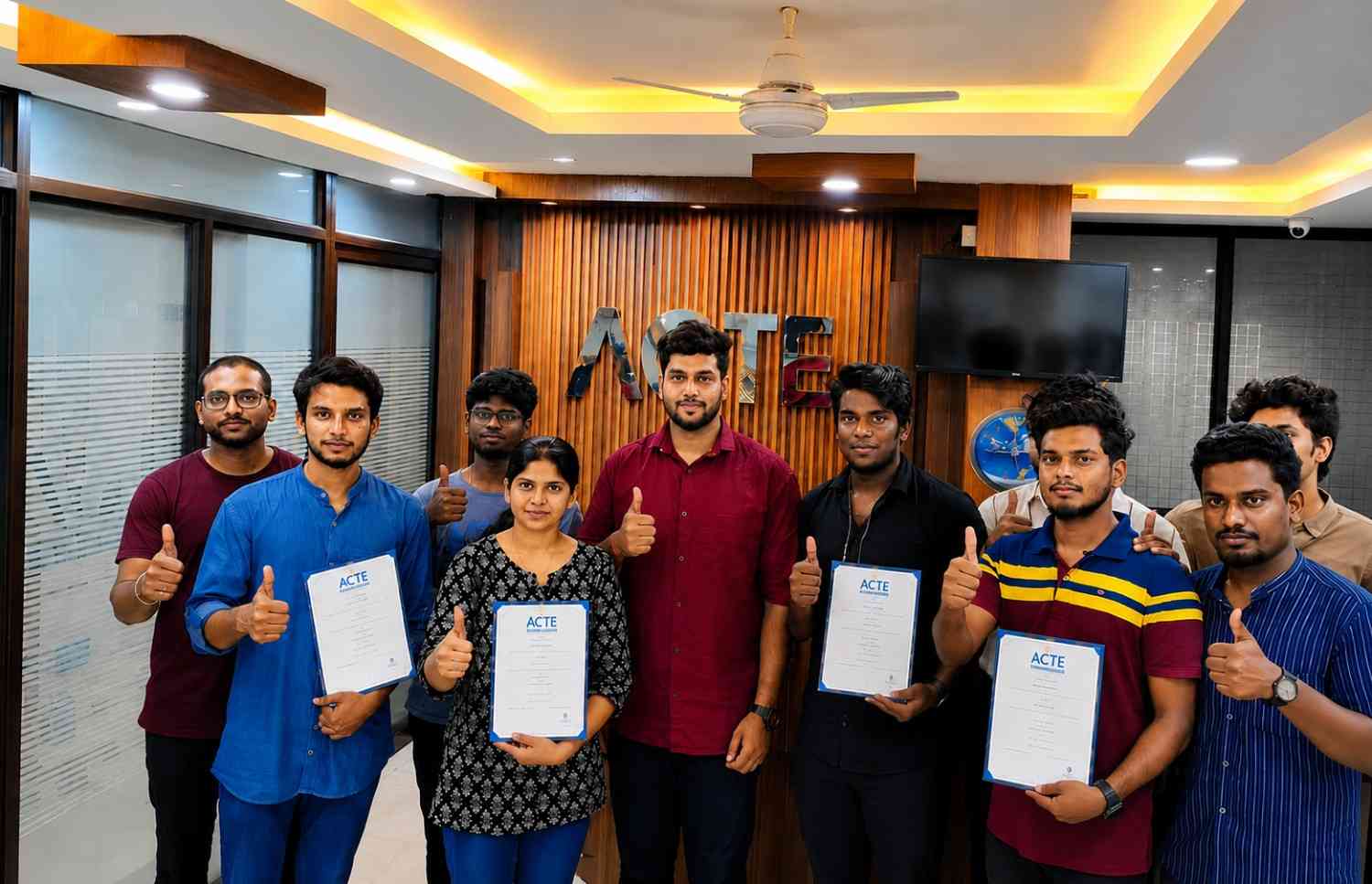

Placement Assistance

Exclusive access to ACTE Job portal

Mock Interview Preparation

1 on 1 Career Mentoring Sessions

Career Oriented Sessions

Resume & LinkedIn Profile Building
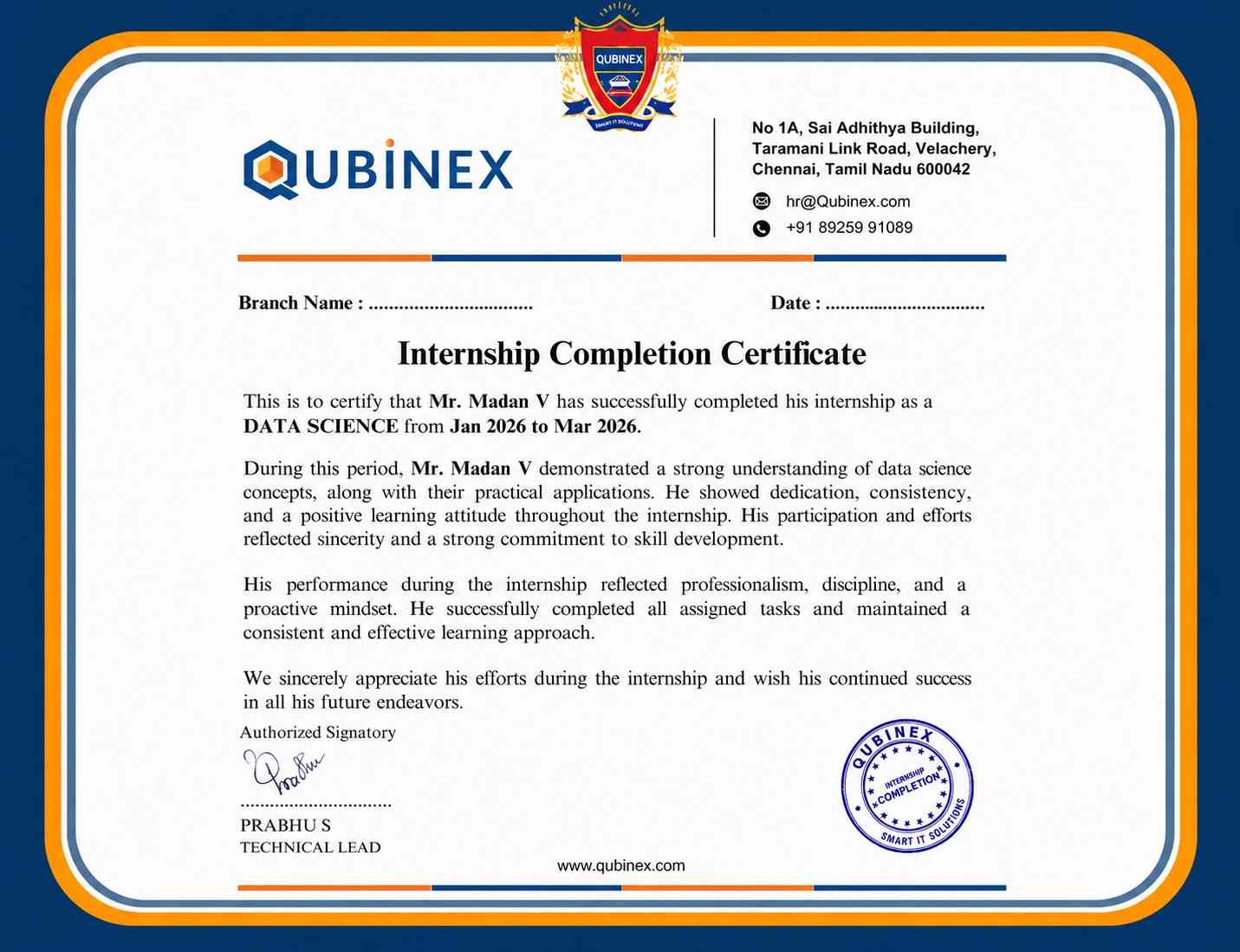
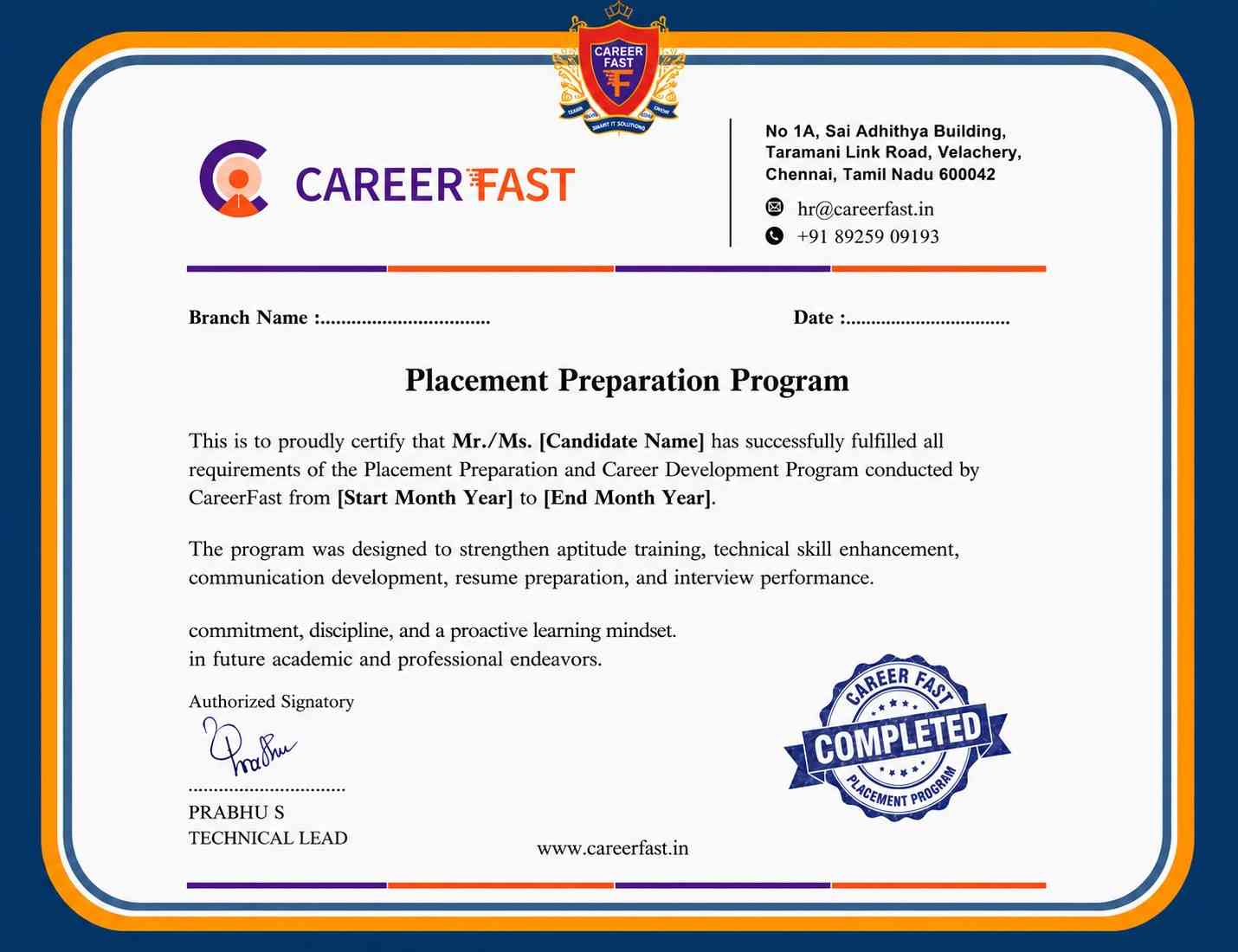
Get Advanced Cloud Computing Certification
You'll receive a certificate proving your industry readiness.Just complete your projects and pass the pre-placement assessment.This certification validates your skills and prepares you for real-world roles.



📜 Industry-Recognized Certification
Earn official, shareable certifications recognized by top companies — a powerful proof of your job-ready skills.
🚀 Get Discovered by Top Employers
Let recruiters come to you with your verified profile — focus on learning while we connect you to real opportunities.
💼 Real-World Project Experience
Work on real-world projects to sharpen your skills and build a portfolio that impresses employers instantly.

Lowest Cloud Computing Course Fees
Affordable, Quality Training for Freshers to Launch IT Careers & Land Top Placements.
Cloud Computing Course FAQs
1. How long does it take to complete the Cloud Computing Training?
The Cloud Computing Training program typically lasts between two to three months, depending on the learning mode you choose. It covers all essential concepts with hands-on practice to ensure you're job-ready by the end of the course.
2. Why are ACTE’s online sessions considered highly effective?
ACTE’s online sessions are interactive, practical and led by industry experts with real-world experience. The trainers explain complex concepts in an easy-to-understand way and the sessions include live projects, making learning more engaging and result-driven.
3. Are the class timings at ACTE flexible?
Yes, ACTE offers flexible batch timings to suit your schedule. Whether you prefer morning, evening, weekend, or fast-track batches, there’s a timing that fits students, working professionals and career switchers.
4. What if I have questions or need help while learning?
You’ll have 24/7 learner support, along with dedicated trainers to clear your doubts. ACTE also provides access to recorded sessions, discussion forums and doubt-clearing sessions so you're never stuck during your learning journey.
5. Why should you start learning cloud computing from the fundamentals at ACTE Intensive?
Starting from the fundamentals at ACTE Intensive ensures you build a foundation in cloud computing. It helps you understand key concepts like virtualization, service models and deployment types before moving to advanced tools and platforms. This step-by-step approach makes learning easier, especially for beginners or non-IT students.
1. What are the eligibility criteria for a Cloud Computing course?
There is no strict eligibility criteria anyone interested in technology can join, whether you're from an IT or non-IT background. Basic knowledge of computers and a willingness to learn are enough to get started.
2. Can someone from a non-technical background enroll in this program?
Yes, absolutely! Many learners from fields like BSc, B.Com, B.A., or MBA successfully transition into cloud computing roles with proper training and hands-on practice.
3. How are non-IT graduates landing jobs in tech?
With the right skills, certifications, and project experience, non-IT graduates are securing jobs in cloud roles. Employers focus more on your skills and knowledge than your degree stream.
4. Is it possible to get a tech job even after a career break?
Yes, many candidates with career gaps are now getting placed in cloud-related jobs after completing certification courses and building practical skills through real-world projects.
5. Can someone without an IT background successfully learn cloud computing?
Cloud Computing is beginner friendly and designed to be learned step-by-step. With structured training and mentor support even non-IT learners can master it and start a tech career.
1. What do I need to be eligible for placement assistance?
To qualify for placement support, you must complete the full course, actively participate in all assignments and projects and maintain a good attendance record. Showing consistent effort and performance will make you eligible for placement services.
2. Are there any rules I need to follow to secure a placement successfully?
Yes, you must attend all placement training sessions, including mock interviews, resume workshops and soft skills development. Applying regularly to job openings shared by the placement team and being prompt with responses to interview calls is required.
3. How will I benefit from the career counseling meetings, and who will serve as my mentor?
Career planning sessions will help you identify your strengths, choose the right job roles and build a strong career path. These sessions are conducted by experienced career mentors or industry experts who offer personalized advice and help you stay on track.
4. What kind of internship opportunities can I expect after the course?
After completing the program, you can expect internships in roles like Cloud Support Engineer, DevOps Trainee or Junior Cloud Administrator. These internships are typically offered by IT companies, startups or cloud service providers based in cities like Chennai, Bangalore and more.
5. Will I get a stipend while working as an intern?
Yes, many internship opportunities come with a stipend. The amount may vary depending on the company and role but typically ranges between ₹8,000/- to ₹15,000/- per month for freshers.
1. Which Certifications Can I Earn Through Cloud Computing Training?
- AWS Certified Solutions Architect
- Microsoft Certified: Azure Administrator
- Google Associate Cloud Engineer
- AWS Certified DevOps Engineer – Professional
- Microsoft Certified: DevOps Engineer Expert
- CompTIA Cloud+
2. Does Getting Certified in Cloud Computing Guarantee a Job?
Yes, getting certified in cloud computing greatly boosts your chances of landing a job especially when combined with hands-on training and placement support. Certifications validate your expertise in cloud platforms like AWS and Azure making you highly attractive to employers.
3. How Long Does It Take to Become Certified in Cloud Computing?
The time to get certified depends on your background and the certification level. Entry-level certifications like AWS Cloud Practitioner usually take one to two months while advanced ones like AWS Solutions Architect or Azure Administrator may take three to six months.
4. What Are the Main Advantages of Becoming Certified in Cloud Computing?
- Validates your skills and technical knowledge
- Boosts your resume and increases hiring chances
- Opens doors to higher paying roles
- Helps in career growth and job promotions
- Builds confidence through structured learning
- Makes you stand out in competitive interviews
5. How Can I Best Prepare for the Cloud Computing Certification Exam?
- Enroll in a structured Cloud Computing training program
- Follow official study guides and whitepapers
- Practice using cloud platforms like AWS, Azure, or GCP
- Work on hands-on labs and real-time projects
1. What options do I have for paying the course fee?
You can pay the course fee using various methods such as debit/credit cards, UPI, net banking or through EMI options, depending on the training institute’s policies. Some centers also offer no-cost EMI or flexible installment plans to make it easier for learners.
2. Will I receive job placement support after completing the course?
Yes, most training institutes provide 100% job placement support after completing the course. This includes resume building, interview preparation, mock interviews and connecting you with hiring partners to help you land a suitable job.
3. Why do course fees vary between different training institutes?
Fees may differ due to factors like the quality of training, experience of instructors, infrastructure, included certifications and job placement support. Institutes offering more hands on experience, industry projects and recognized certifications often charge higher fees.
4. Is the course fee the same across all cities?
Yes, we offer a uniform course fee across all our training locations. Whether you enroll in Chennai, Bangalore, or any other city, the pricing remains the same. This ensures fairness and equal access to quality training for every learner.
100% Job Guarantee
Global Quality Training At The Lowest Fees & Expert Trainer
Available in: